The way a will is written and signed determines if the California law considers it valid or not, but changes can be made.
Read More

A legal document, also called a Last Will and Testament, communicates a person’s final wishes, including what happens to their belongings, and specifies Beneficiaries of their Estate.
The way a will is written and signed determines if the California law considers it valid or not, but changes can be made.

Usually a will or trust describes the types of distribution for inheritance: “per stirpes,” “per capita by generation,” and “by right of representation.”

A will does not need to be notarized in California in order to be valid. If it is notarized, the notarization is not a valid substitute for a witness.
How do I find out if I’m a beneficiary in a California will? If you think are, but you’re having trouble getting a copy of the document, contact us today!

Maybe. Some cases are a good fit for a contingency fee agreement. A contingency fee agreement allows you to hire an attorney without paying anything out of pocket.

If your loved one may have been a victim of fraud when creating his will, you may have grounds to challenge it. The fraud must have been actual or constructive.
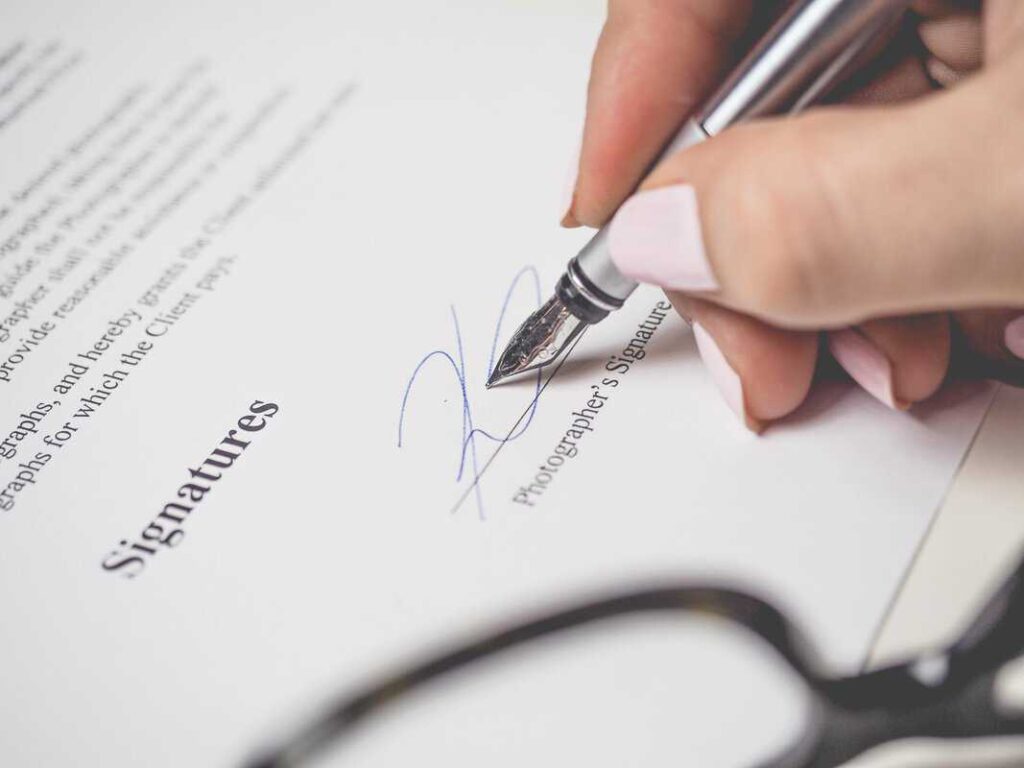
This article explains how to invoke undue influence to contest a will or trust in California? If you believe undue influence exists, contact us today.

Under the laws governing wills and trusts in California, a beneficiary may be disqualified from receiving an inheritance in certain circumstances. For this reason, other beneficiaries or the executor or trustee of an estate or trust may bring forward a San Diego probate litigation matter.

Challenging a California will requires substantial evidence. A San Diego probate litigation attorney explains 12 common ways a will is challenged.